

Myo Thein
#Letter
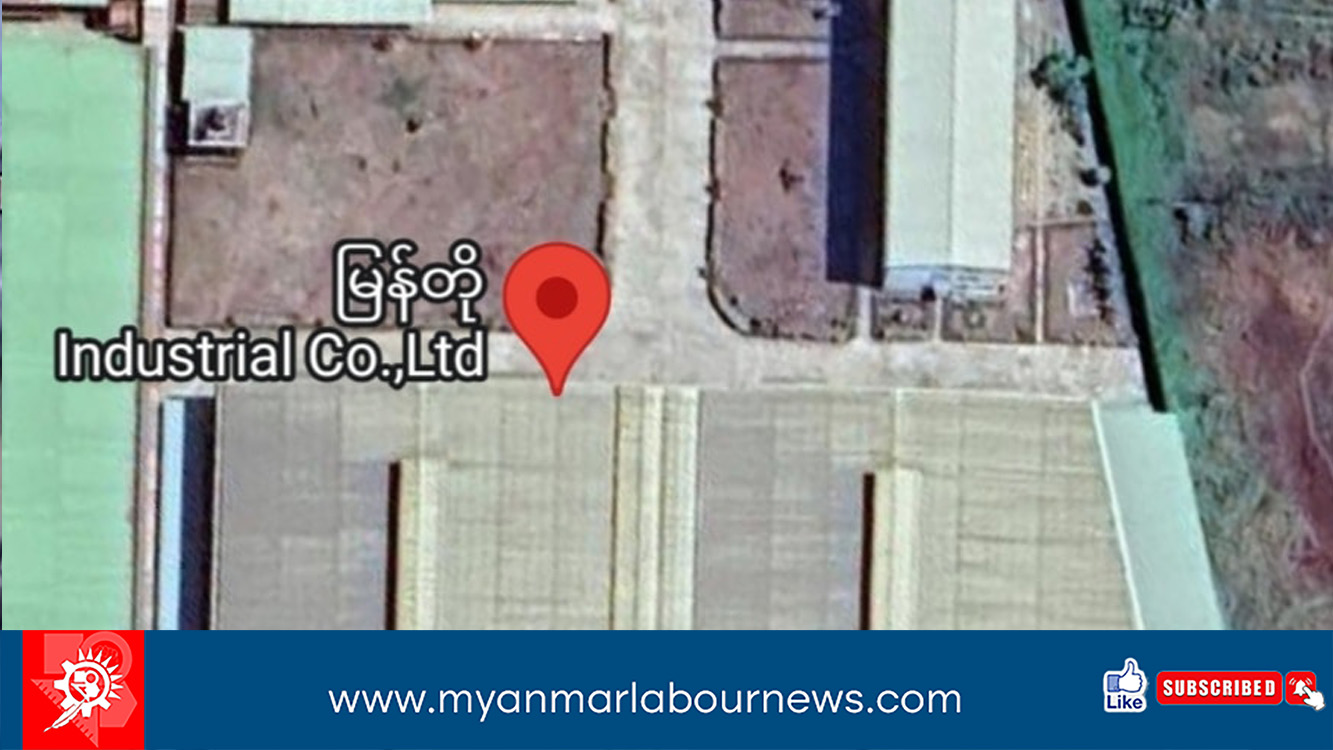
We are writing from Myanto Garment factory, located at No. A5, Mya Khattar Road, Mya Sein Yaung Industrial Zone.
The factory is making arrangements to pay salaries through bank cards. At the moment, they are skipping the sewing lines and issuing bank cards only to other departments.
The factory has instructed supervisors and clerks to tell workers to bring their national ID cards. When we said we did not want to open bank cards and therefore would not bring our IDs, they said they would use the ID copies we submitted when we were first hired.
On the day they announced the start of the bank card process, some workers already explained their difficulties to the factory.
At that time, the manager said it was not optional and that we must do it. When we explained the various problems we face, he said he would report it upward, but in the end, he repeated that we must do it no matter what.
They started collecting lists for bank cards, asking for ID numbers and phone numbers. Many of us did not want to provide them. The manager then said that even if we did not give the information, they could still make the cards using the data from when we were hired. The manager is clearly pushing this in a “must do it” manner.
We also consulted a district-level labor officer from Hlaingtharyar West regarding this issue and asked for help. At first, he said that those who did not want bank cards should gather together, sign, and submit their concerns, and that he would help resolve it. He also said that if we clearly listed the difficulties we were facing, they could be explained and addressed.
He said that under the law, the most important thing is that wages are paid, and that wages can be paid in any form. He also told us to agree for now, and if problems arise when withdrawing salaries, then to come back and report it so it could be resolved.
When the bank cards were first issued, they brought a machine on a vehicle and told us we could test the cards. They made us change the PINs. During that process, one worker’s card went into the machine and never came back out. When we imagined what would happen if something like that occurred on payday, it made us even more unwilling to proceed.
They also did not explain who would be responsible if there were other ATM errors. There is no accountability. The manager simply says we must do it and pressures the supervisors to enforce it. Some supervisors themselves do not want to do it and therefore do not pressure us, but the manager continues to push.
Most workers do not own homes and are renting. If there is an ATM error on payday and we cannot withdraw cash, we still have to pay dormitory rent and other debts. We would have to beg and explain to creditors. If the ATM error cannot be resolved within a day and we have to go elsewhere to withdraw money, it could mean missing work.
In the past, we have experienced having to pay 10,000 kyats just to withdraw 100,000 kyats, or having to stand in line and buy a place in the queue under restrictions just to get our own money.
Given the current political situation, if things return to how they were before, even the money in our hands feels unsafe. For us workers, using bank cards is not convenient or secure.
The manager frequently calls in factory security and scolds them, ordering strict inspections during work entry times and lunch breaks.
Sometimes it feels less like coming to work and more like being in prison. The main gate inside the factory compound is always locked. If there were an earthquake like before, or any kind of emergency, it would not be easy to run outside because the gate is locked.
In the mornings at work, they shout through loudspeakers, pressuring us about both work-related and unrelated matters. The WCC in the factory exists in name only. Even the members themselves do not know what their responsibilities are. Most workers do not even know who the members are.