

By Hsu Latt Phyu - Sep 28, 2025
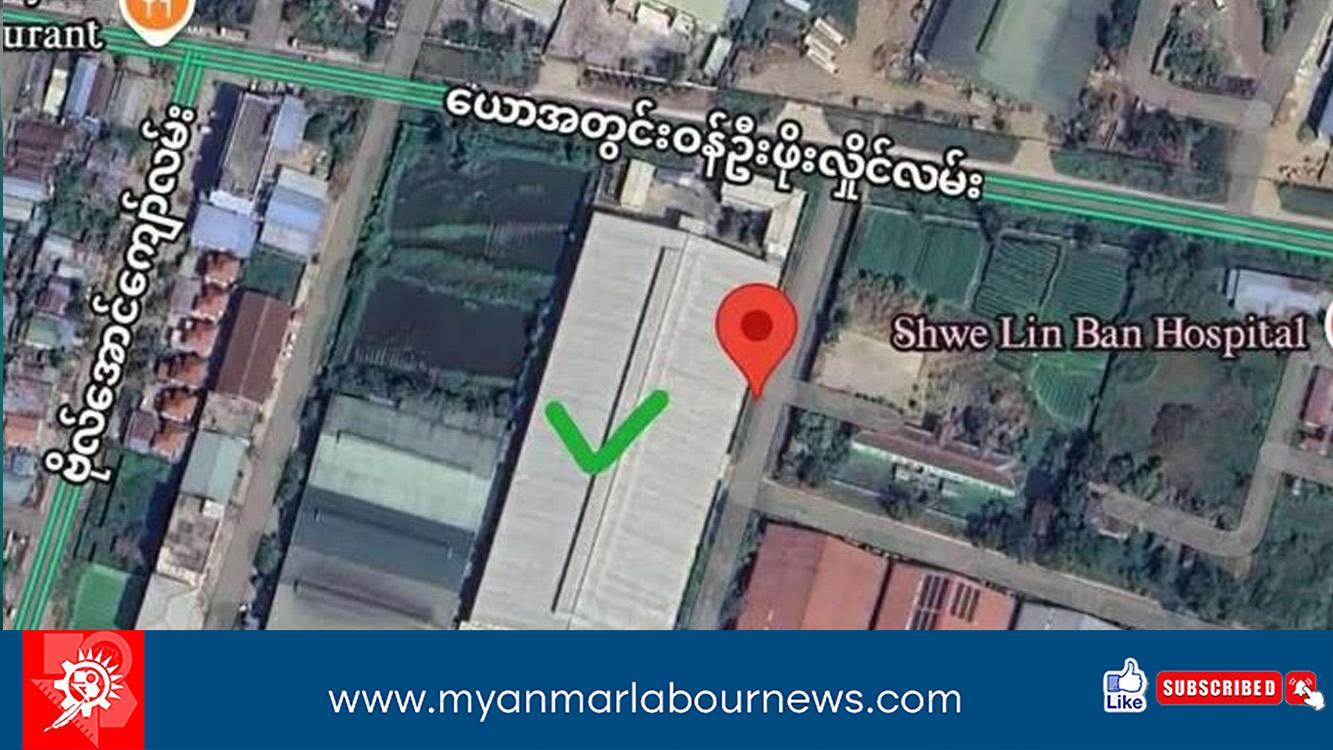
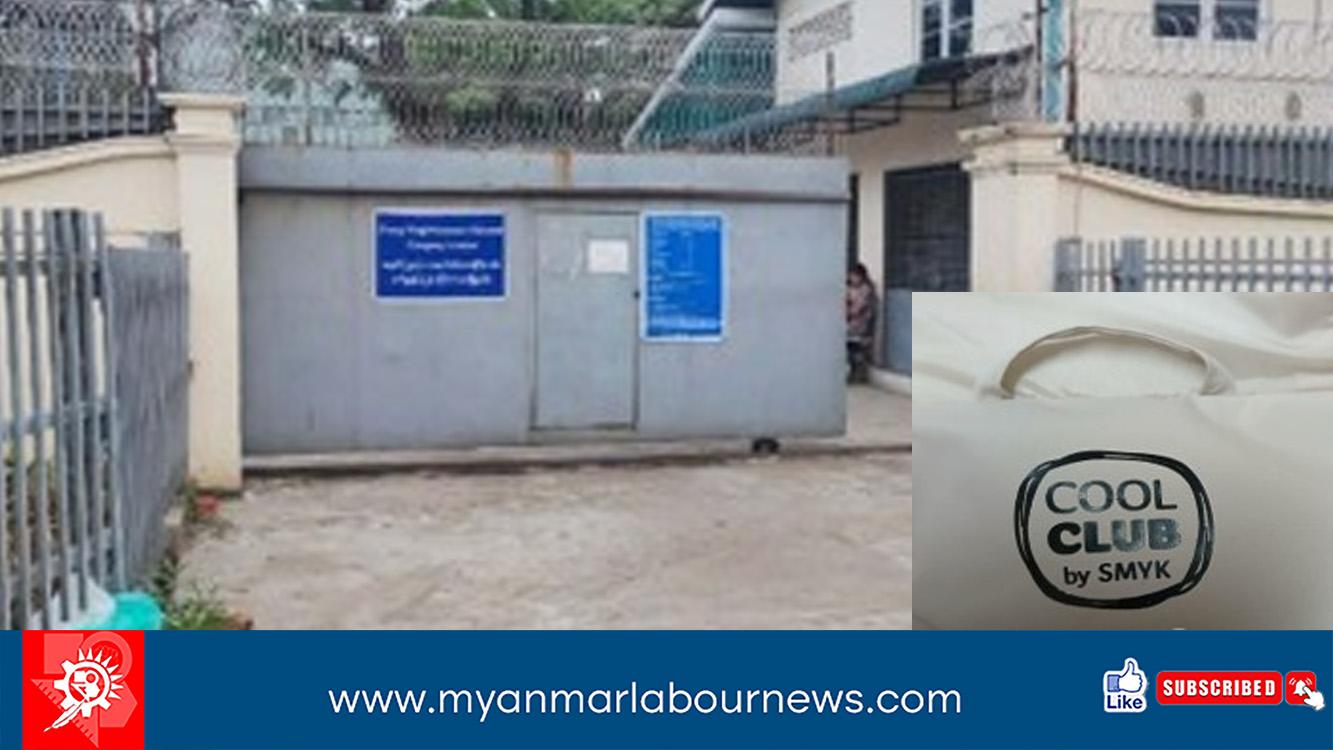
According to the Industrial Workers Federation of Myanmar (IWFM), Teng Hui Myanmar Knitting, a Chinese citizen-owned garment factory located in Yoe Gyi village, Thanlyin Township, Yangon Region, has informed its workers that beginning in October, only 4,800 kyats will be given as daily compensation if they refuse to work overtime.
The factory, employing over 6,000 workers, manufacture knitwear for brands such as H&M and Divideo. It is also reported that there is no trade union in the workplace.
Workers have reported to IWFM that they are not granted their legal leave entitlements, are required to work overtime without rest days, and suffer health impacts. They are not granted casual leave and instead face wage deductions if they miss a single day of work, leading to financial hardship.
“We have to work overtime all seven days without a break. If we are exhausted and miss even one day of work, we face deductions totaling 30,000 kyats, including daily wages, subsidies, and attendance bonuses,” said one worker.
Starting from this October, the daily compensation which was previously 9,800 kyats will be reduced to only 4,800 kyats for those who do not work overtime. Additionally, workers have been informed that if they refuse to work overtime on Sundays or public holidays, including midnight and overnight shifts, they will be terminated.
A labour rights activist stated that this announcement to provide only 4,800 kyats if workers do not work overtime constitutes a violation of rights and amounts to forced, unlawful overtime.
“The factory has officially held meetings and announced that workers who don’t work overtime will receive only 4,800 kyats as daily wage starting next month. But wages that have already been agreed upon cannot simply be revoked. This kind of action should not be taken at all. Overtime is a right for both workers and employers. Workers can’t request for overtime if there is no overtime by the factory. Likewise, if there is overtime, employers can’t force workers to do it. Workers may or may not want to work overtime due to various reasons. But if the employer says they’ll only pay 4,800 kyats and nothing else for refusing overtime, that is completely unacceptable. If such action is taken, it amounts to wage theft,” said a representative from the Industrial Workers’ Federation of Myanmar (IWFM).
Currently, the factory is reportedly demanding output targets beyond normal levels, requiring experienced workers to produce 400 pieces and new workers to produce 200 pieces per shift. Workers are forced to work midnight or overnight shifts and are denied days off, if targets are not met, leading to increased pressure and hardship.
“Sometimes, we are immediately fired if we leave after regular working hours without doing overtime,” said a worker.
Some workers have already filed complaints regarding these labour rights violations, but it has been reported that after these reports were made public, management conducted investigations and pressured workers into giving misleading statements under threat of dismissal.
“Many of us have reached a point where we physically can’t continue doing overtime because of excessive, forced overtime, our health has been negatively impacted. Despite that, the employer is not considering how exhausted we are. Reducing the daily wage to only 4,800 kyats just because we don’t work overtime is completely wrong,” said a representative from IWFM.
Workers are calling for a resolution to these ongoing violations in the workplace and are requesting that wage deductions be stopped.
Workers’ Demands are:
- That all legally entitled leave, including rest days, be granted to workers.
- That the employer not proceed with reducing daily wage from 9,800 kyats to 4,800 kyats starting from October.
- That workers not be dismissed for refusing to work overtime on Sundays and public holidays, including all-day and overnight shifts.
- That the employer stop threatening dismissal for workers who do not recite scripted responses provided for visiting guests.
- That the employer stop forcing workers to work all-day or overnight overtime when output targets are not met.